
Riverstone Sewerage Pumping Station – Marsden Park Industrial Precinct
28 July 2025
Location: 137 South Street, Marsden Park, NSW 2765
Project Duration:
November 2017 – February 2022
Client: Abergeldie Contractors / Sydney Water
Soilsrock Engineering was engaged by Abergeldie Contractors and Sydney Water to provide specialist geotechnical and environmental consulting services for the construction of the Riverstone Sewerage Pumping Station, a critical infrastructure project within the Marsden Park Industrial Precinct.
Our scope of work included:
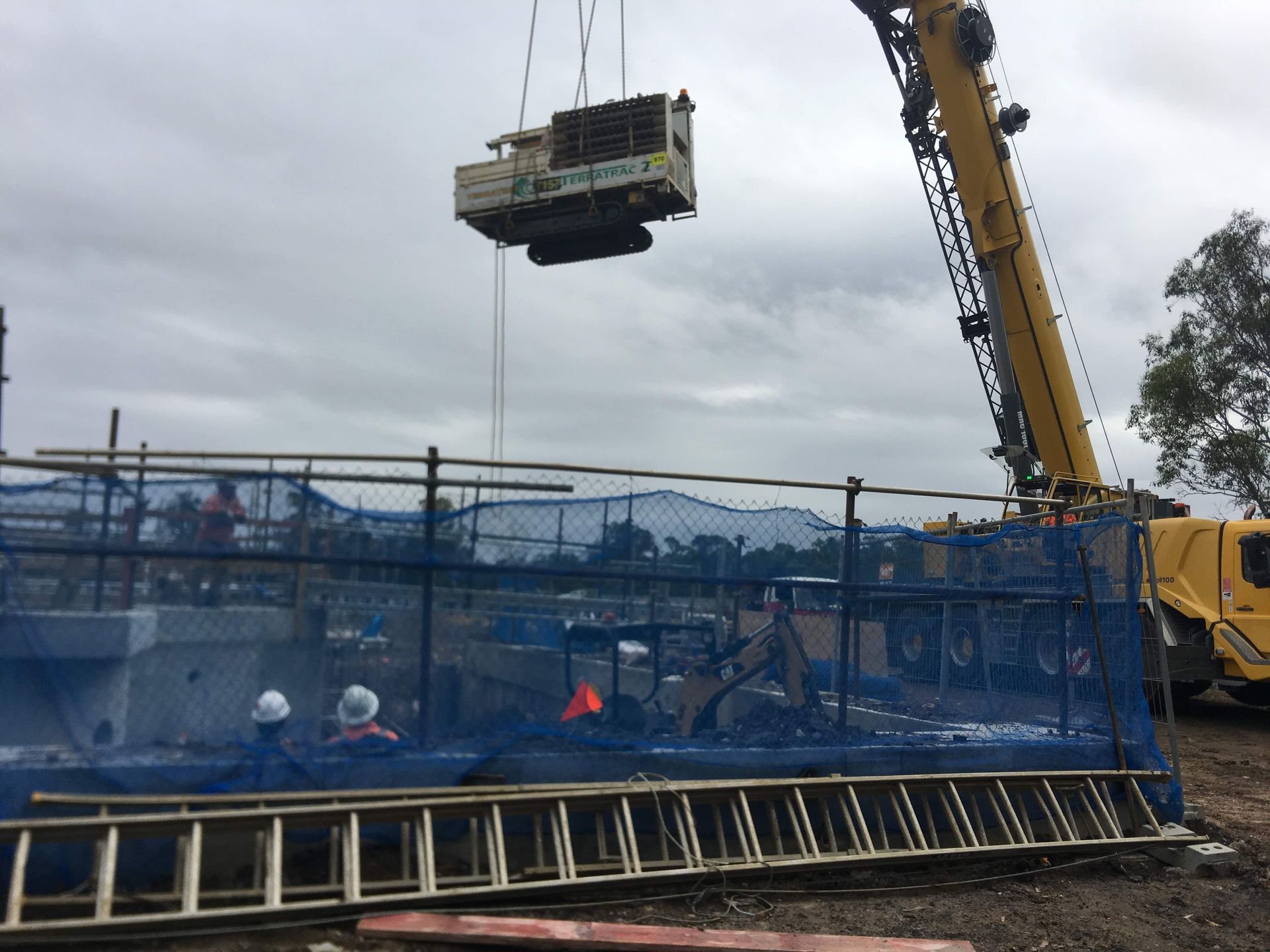
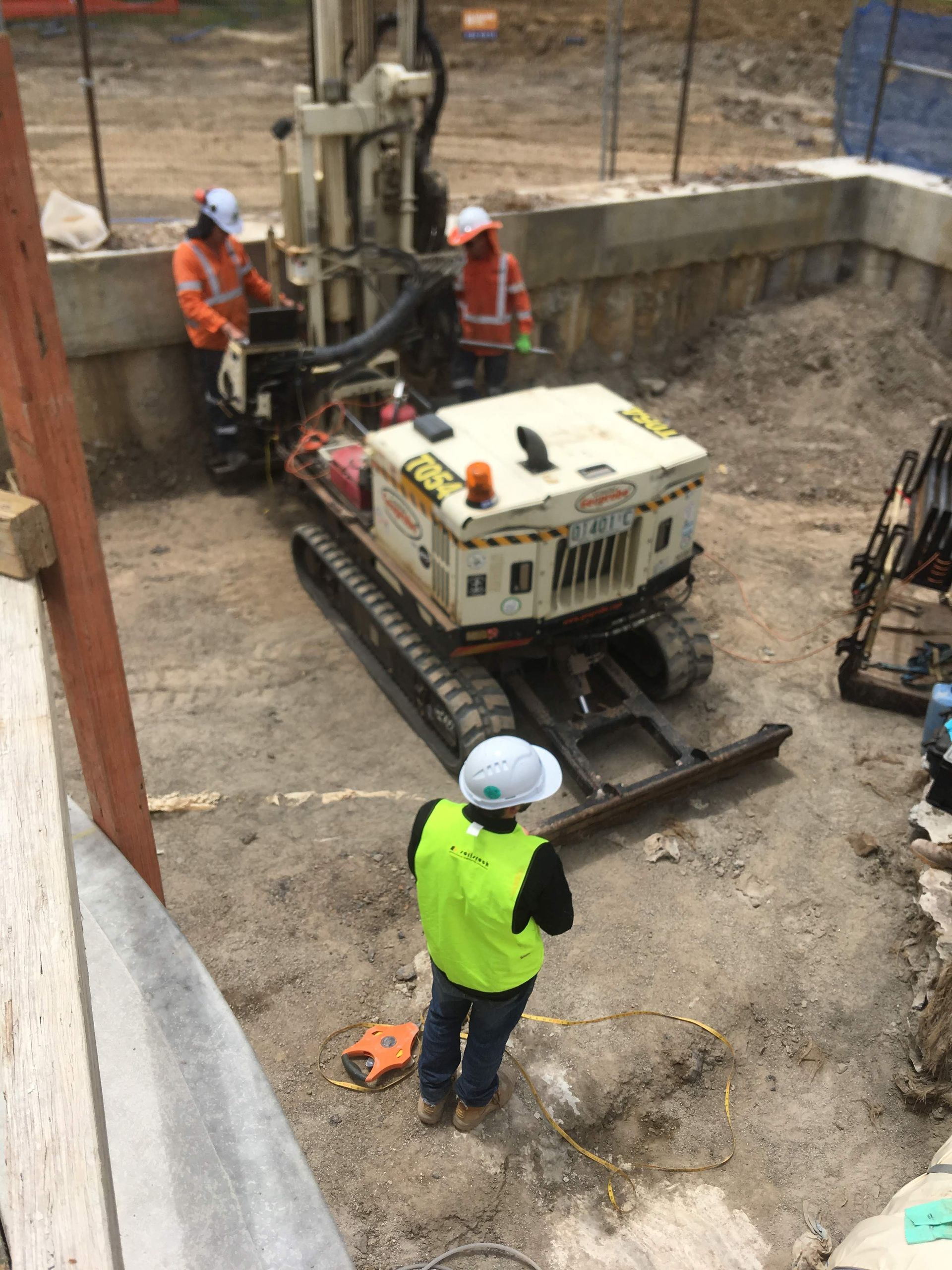
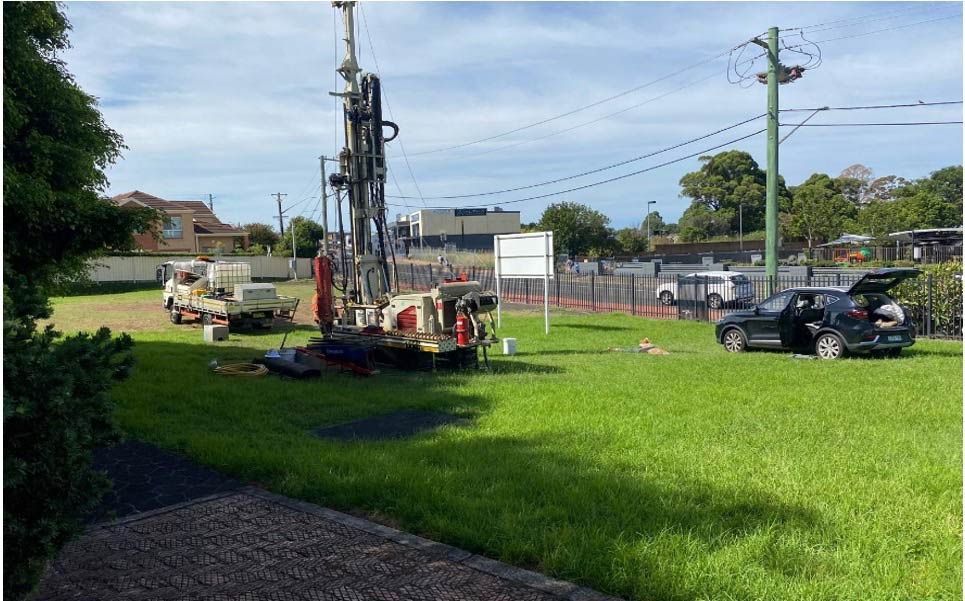
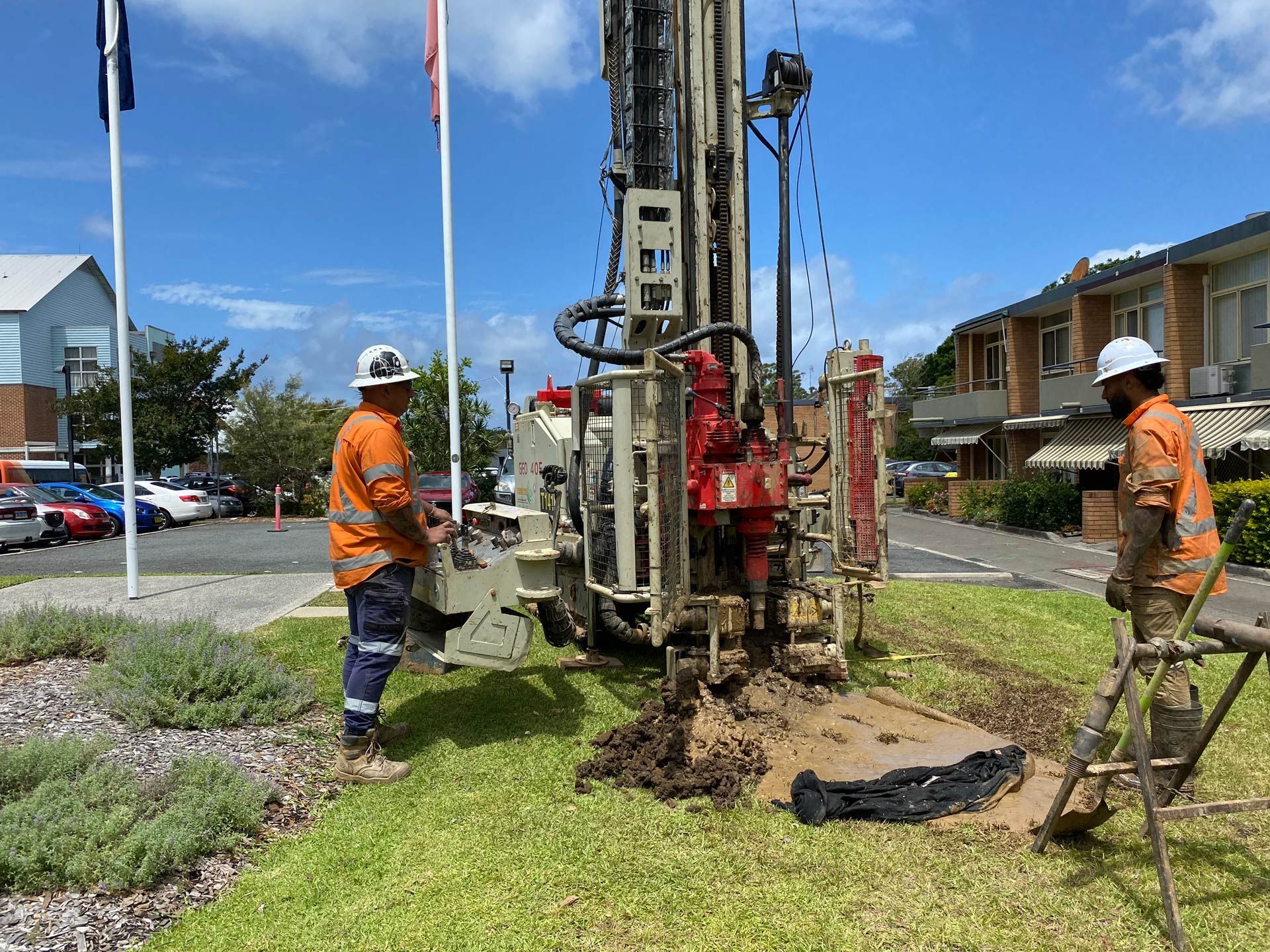
- Preliminary and detailed geotechnical investigations, including Standard Penetration Testing (SPT), rock coring, and Cone Penetration Testing (CPT) to assess subsurface conditions and evaluate backfill suitability.
- Foundation pad design and testing, including proof rolling to verify subgrade strength and performance.
- Routine site inspections to monitor construction progress and ensure geotechnical compliance with project specifications.
- Waste classification assessments for excavated materials in accordance with NSW EPA guidelines.
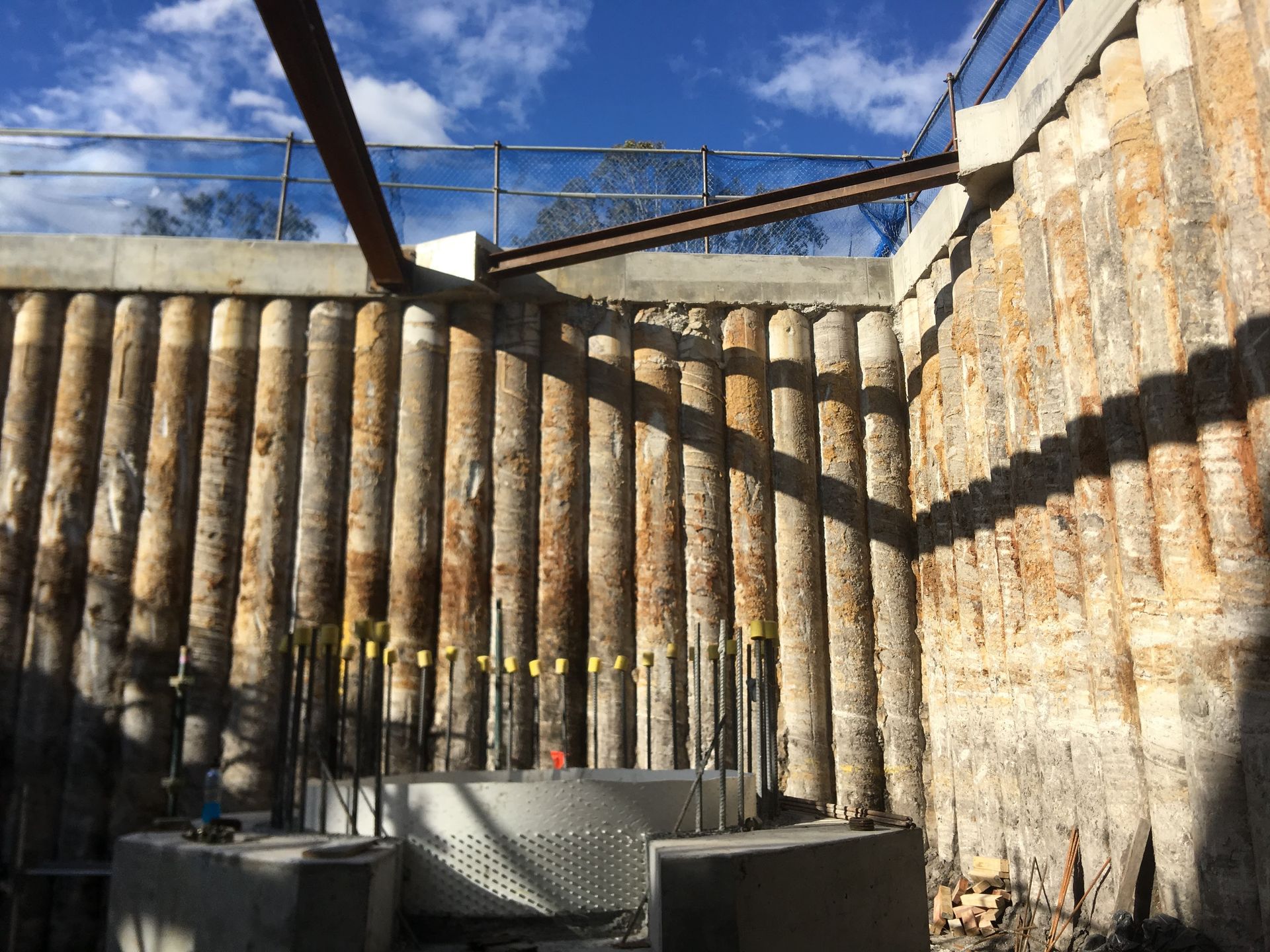
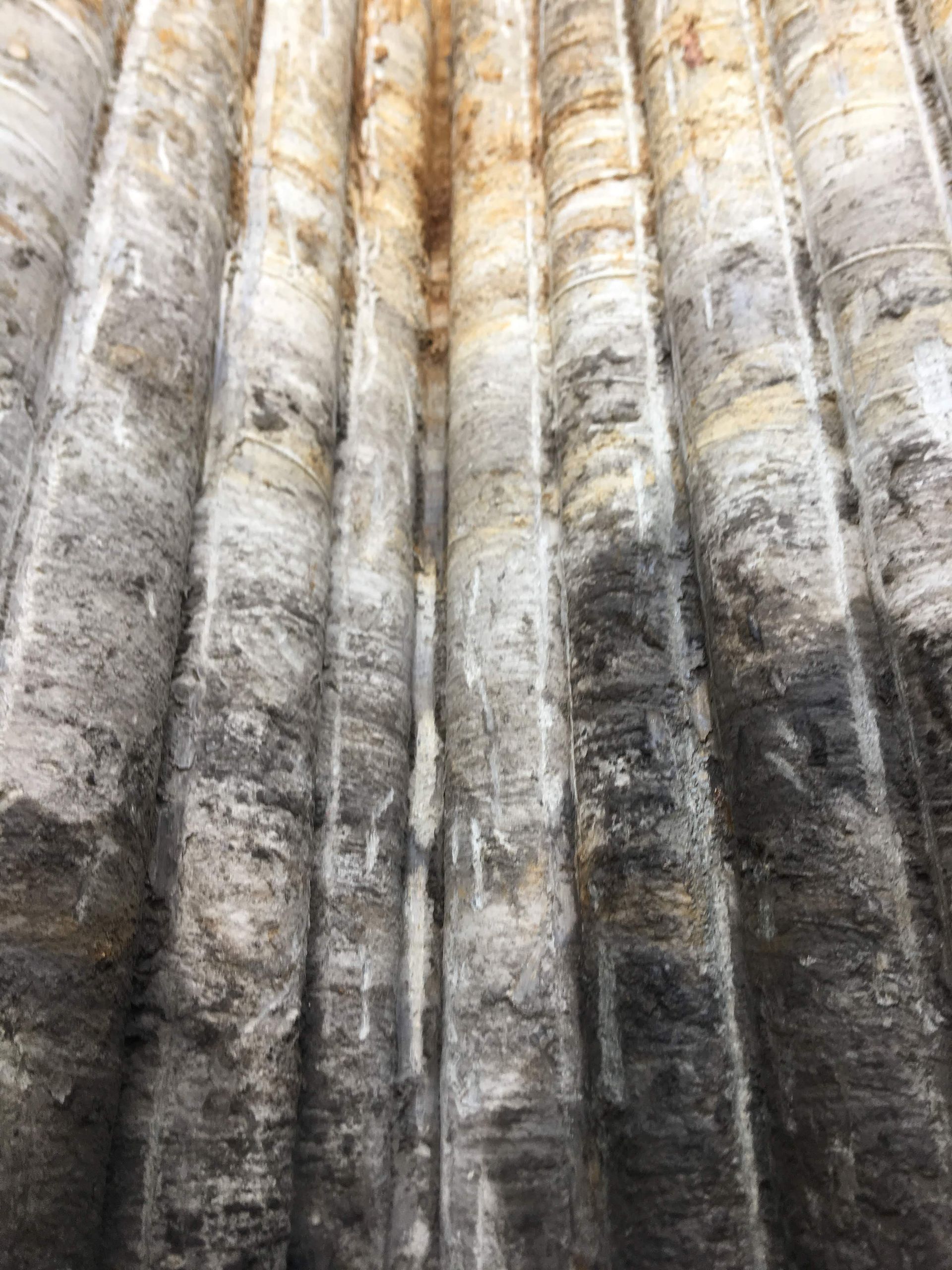
- Design and verification of a secant piled shoring wall system with internal steel bracing, providing temporary lateral support for deep excavation works in proximity to existing services and infrastructure.
Soilsrock Engineering’s contributions ensured geotechnical risks were managed effectively, enabling the successful delivery of essential wastewater infrastructure to support Sydney’s north-western growth corridor.

When we talk about the foundation is most important. Have you checked the soil? Yes, the strength and durability of your building depend a lot on the ground beneath it. That’s why you must develop an understanding of the soil types and their impact on building foundations. You have to consider it before you begin your entire construction work. Engineers use Geotechnical soil testing for construction. It helps the professionals make an idea about the soil’s features on a particular site. Factors include digging test pits, soil sampling and preparing detailed soil testing reports that guide foundation design. The blog discusses different types of soil and their impact on the foundation. So, are you worried about your plan of construction? If yes, you have come to the right place. Here, we discuss the soil classification. Why Soil Matters for Building Foundations Before building anything, engineers must know what’s under the ground. This is why they carry out soil tests. You can say soil testing is most important. Soil tests help them determine something called the bearing capacity, which is how much load the soil can safely carry for your building. Let's give you an example. Sandy and gravelly soils usually have higher bearing capacity, making them good for foundations, while soft clay or peat has lower capacity and can cause problems. Hence, you understood, no guesswork is safe here — professional soil testing is the ultimate determinant. These tests include construction phase geotechnical inspections, which ensure soil conditions are monitored even while construction is happening. Some of The Most Common Soil Types and Their Effects on Foundations 1. Clay Soils Clay soils are usually sticky in nature. They hold a lot of water. When you put water on it, the soil expands. When they dry, they shrink. This movement can cause a foundation to lift or crack. In such soil, you must have a deeper foundation. 2. Sandy Soils Sandy soils drain water easily. They don’t really expand much. One of the core features is that it has a good bearing capacity. However, if sand is very loose, it can settle under heavy loads. No issues. 3. Silty Soils Silt feels smooth and fine, but can be weak and doesn’t drain well. It may become soft after rain. So you understand there is a risk element present. So how to hand these type of soil? You just need deeper or reinforced foundations. 4. Rock and Gravel Rock and gravel are usually the best soils for foundations. They are hard in nature. You could easily rely on this soil. They don’t compress easily. Structures on these soils tend to need shallower foundations, making building faster and cheaper. Soil Investigation and Risk Assessment Before you finalise the foundation design, the professionals first conduct a landslide risk assessment. It helps them check the potential ground movement hazards. In hilly or unstable areas, you may have to prepare a landslide risk report. One may need it even if the landslip risk assessment shows low danger. These studies help builders avoid catastrophes in places where earthquake movement is extremely high. A full-fledged risk management study includes: Test pits and soil sampling to learn about the soil’s presence. Laboratory tests for strength, moisture, and density. Soil Testing Reports help designers design a safe building structure. Construction phase geotechnical inspections to ensure conditions don’t change unexpectedly during building However, experts continuously monitor it for safety. Build Smart from the Ground Up Soil is the ultimate foundation of a building. It is the key determinant of safety and lifespan. Hence, you must develop an understanding of soil types and their impact on building foundations. Using modern geotechnical soil testing for construction, careful landslip risk assessment, and proper soil testing reports ensures that your building stands strong for years. FAQs 1. Why do engineers do soil tests before building? It helps them understand how stable the soil of the area is. More importantly, it acts as a guide about the right foundation type so the building stands safely. 2. What are soil bearings, and why are they important? Bearings show how much the soil of your site can carry. If the soil is a little weak, it needs a special foundation design. 3. Is clay soil bad for building foundations? Not always. But clay soil, by nature, both expands and sinks. Hence, it needs careful design or stabilisation. 4. What is a landslip risk assessment? It checks the risk of ground sliding downhill, especially on slopes. It helps you protect the buildings. 5. Do we need inspections during construction? Yes — construction phase geotechnical inspections detect any changes in the soil behaviour. 6. What is included in soil testing reports? These include bearing capacity, moisture levels, soil type, and recommendations for safe foundations. 7. Can buildings be built on sandy soil? Yes — sandy soil often drains well and supports foundations if compacted correctly. 8. What if the soil is too weak? Then, engineers may use deeper foundations like piles or improve the soil with additives before building.
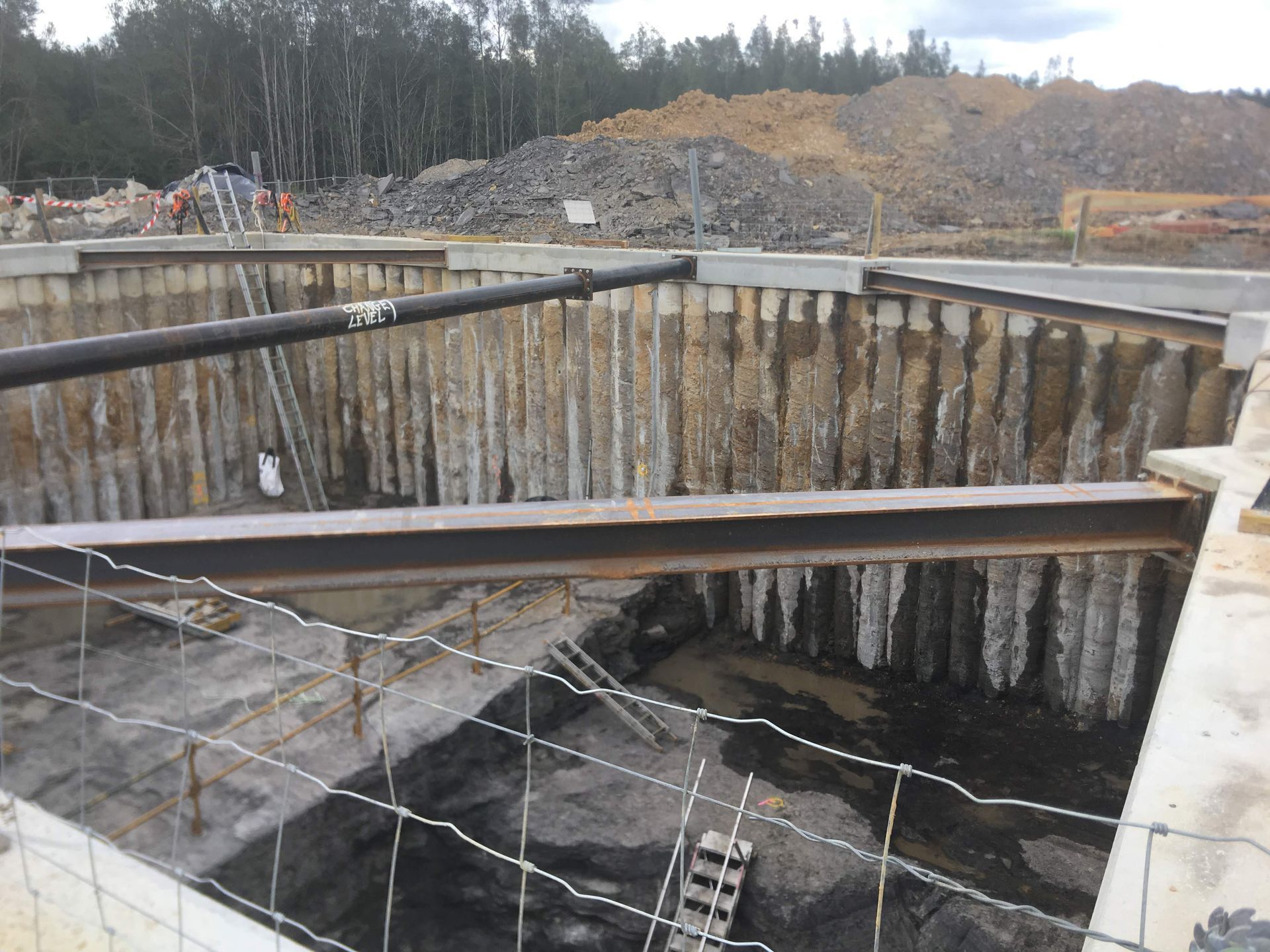
Location: Schofields, NSW Duration: November 2018 – June 2021 Client: Sydney Water / Abergeldie Contractors Soilsrock Engineering was engaged by Sydney Water and Abergeldie Contractors to deliver geotechnical and environmental engineering services for the construction of the Riverstone Wastewater System , a critical infrastructure project within the North West Growth Centre . Our role involved: Geotechnical site investigations, including borehole drilling, sampling, and laboratory testing, to characterise subsurface conditions and inform structural and excavation design. Waste classification and environmental assessments in compliance with NSW EPA guidelines, supporting the safe and legal disposal of spoil materials. Design support and geotechnical verification for the secant pile shoring wall system with internal steel bracing , used to facilitate deep excavation works adjacent to sensitive infrastructure. Soilsrock worked closely with Sydney Water’s project team and Abergeldie’s construction crews to ensure all geotechnical and environmental requirements were met on time and within budget. Our involvement contributed to the successful delivery of vital wastewater services to one of Sydney’s most rapidly expanding residential regions.
LOCAL: NORTHERN BEACHES – MONA VALE NSW 2105
LOCAL: NORTHERN BEACHES - CHURCH POINT NSW 2105